The four treks we run
Four routes, three in the north and one in the south. Each one is graded on the same scale so you can compare them honestly before you open a single tour page.
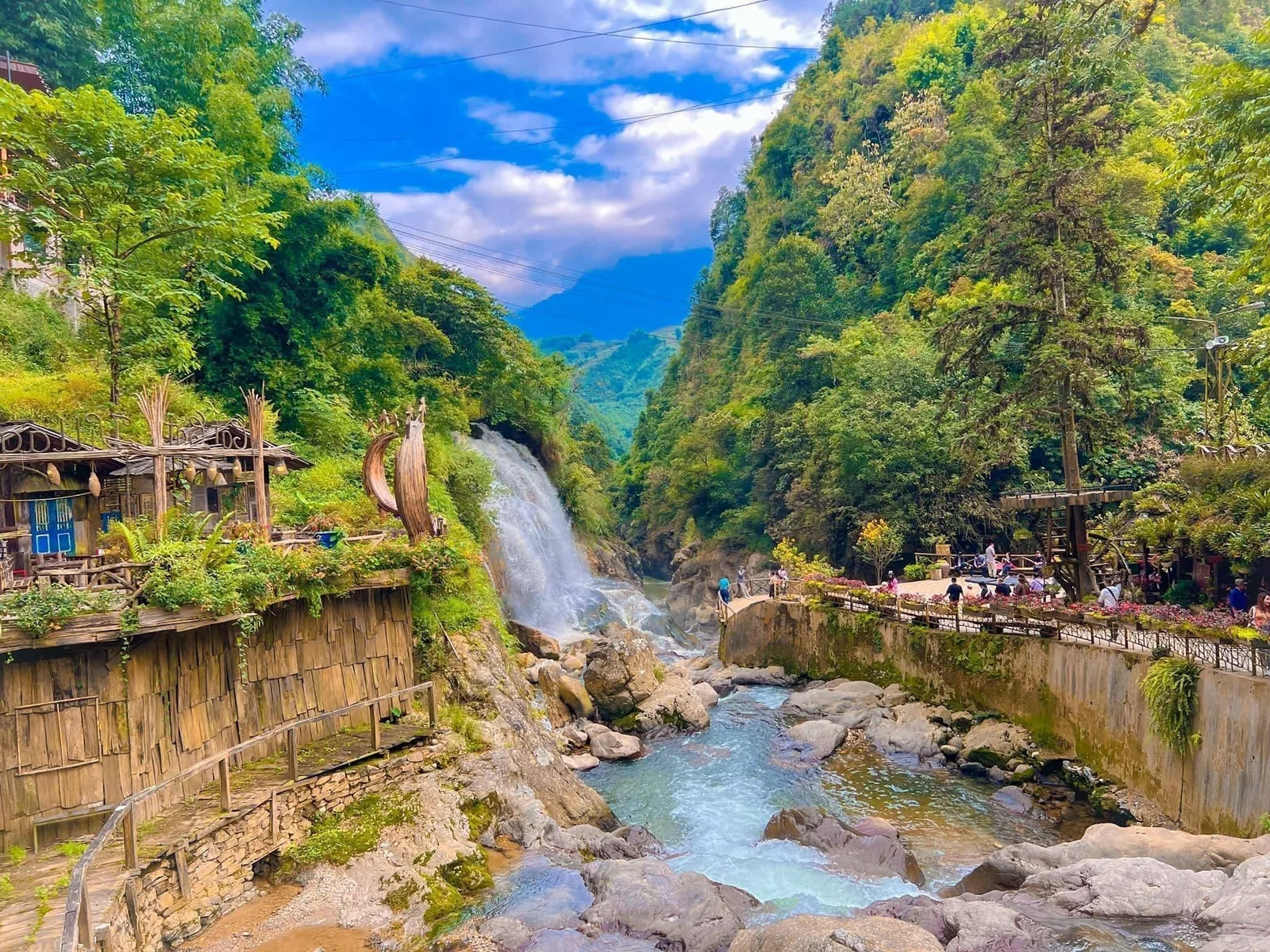
The four routes compared
Read the ascent column before the distance column. Twenty-two flat kilometres are easier than fifteen kilometres with 780 m of climbing, and almost every walker who has trouble on our routes has trouble on a climb, not on a distance.
| Trek | Days | Walking days | Total km | Biggest day | Grade | From |
|---|---|---|---|---|---|---|
| Ha Giang, 6 days | 6 | 4.5 | 59 | 17 km, 900 m up | 3 of 5 | USD 860 |
| Sa Pa, 4 days | 4 | 3.5 | 45 | 16 km, 400 m up | 2 of 5 | USD 430 |
| Pu Luong, 3 days | 3 | 3 | 32 | 15 km, 780 m up | 2 of 5 | USD 295 |
| Ta Nang to Phan Dung, 3 days | 3 | 3 | 55 | 22 km, 700 m up | 4 of 5 | USD 340 |
How we grade a trek
Every operator writes easy, moderate and challenging, and none of them means the same thing. Here is our scale, defined by numbers you can test on a hill at home. The grade is set by the hardest day, not the average day.
| Grade | Longest day | Ascent in that day | Path | Bail-out |
|---|---|---|---|---|
| 1 of 5 | Up to 10 km | Under 300 m | Track or road most of the way | Vehicle within 30 minutes at any point |
| 2 of 5 | 10 - 16 km | 300 - 800 m | Field paths, stone steps, some mud | Vehicle within an hour |
| 3 of 5 | 16 - 20 km | 800 - 1,100 m | Narrow paths, exposed sections, loose rock | Two to four hours to a road |
| 4 of 5 | 20 - 25 km | 700 - 1,200 m with a pack | Unmarked ridge, stream crossings | Half a day, and no phone signal for stretches |
| 5 of 5 | Over 25 km | Over 1,200 m | Scrambling, fixed rope, snow possible | A full day, evacuation is a carry |
We do not currently sell a grade 5 route. Fansipan by the Tram Ton or Cat Cat approach is grade 4 to 5 depending on the month, and we run it privately for people who have already walked with us. It is not on this site because we will not sell it to a stranger by email.
Ascent in the biggest day. If the largest hill you have climbed in the last year is 300 m, a grade 3 route will not be enjoyable, and the guide cannot make it shorter once you are on it.
Which one, if you only have room for one
If you want the landscape to be the point
Bare limestone, thousand-metre drops to the Nho Que river, and market days that are still trade rather than performance. It is also the longest drive: thirteen hours in a vehicle across the trip. See the route.
If you have four days and want village nights
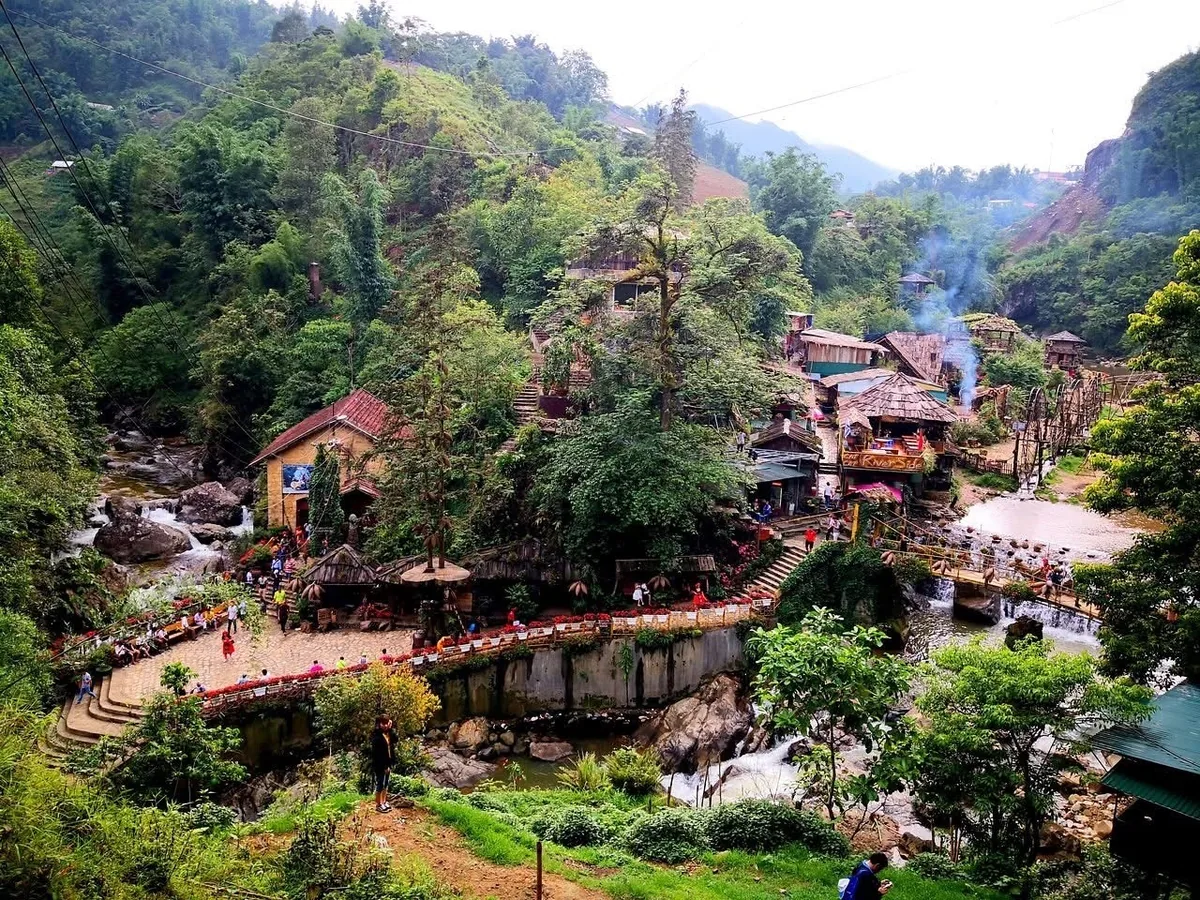
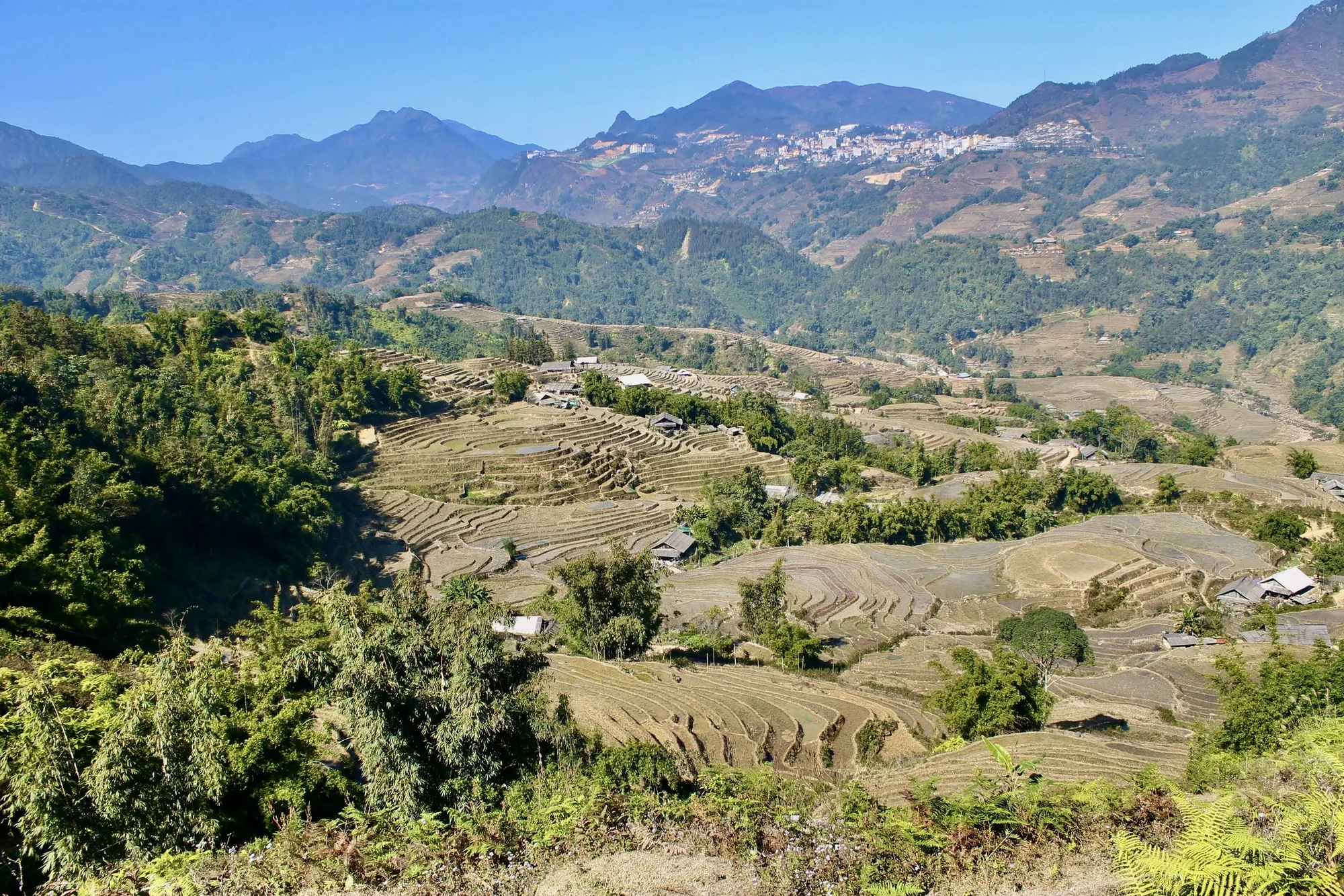
Three homestays in three different valleys, and terraces that fill the whole view in late September. Sa Pa town itself is a building site, which is why we sleep down in the valley. See the route.
If you are short of time or bringing teenagers
Four hours from Hanoi, gentle days, and the only route on this list where a fourteen year old keeps up comfortably. See the route.
If you have walked seriously before
Two nights under canvas, 55 km, no villages in the middle, and a dry-season-only window. Vietnamese hikers rate this the best route in the country and they are right. See the route.
Not sure which grade you are?
Tell us the biggest hill day you have done in the last year and we will place you.
What every trek on this site includes
The same base is in all four prices, so the difference between them is length and terrain, not what you get.
- A trekking guide who walks the whole route with you, not a driver who meets you at the far end
- Every night named to the village and the house on the itinerary before you pay
- All transport between Hanoi or Da Lat and the trailheads, in our own vehicle
- All meals on walking days, including packed lunches carried from the last house
- Refill water from carboys, so no crate of single-use bottles follows the group
- Entrance fees, boat fees, reserve fees and the Ha Giang travel permit where it applies
Travel insurance, international and domestic flights, tips and drinks are excluded on every route, and the pricing page explains why we do not quietly bundle insurance into the price the way some operators do.
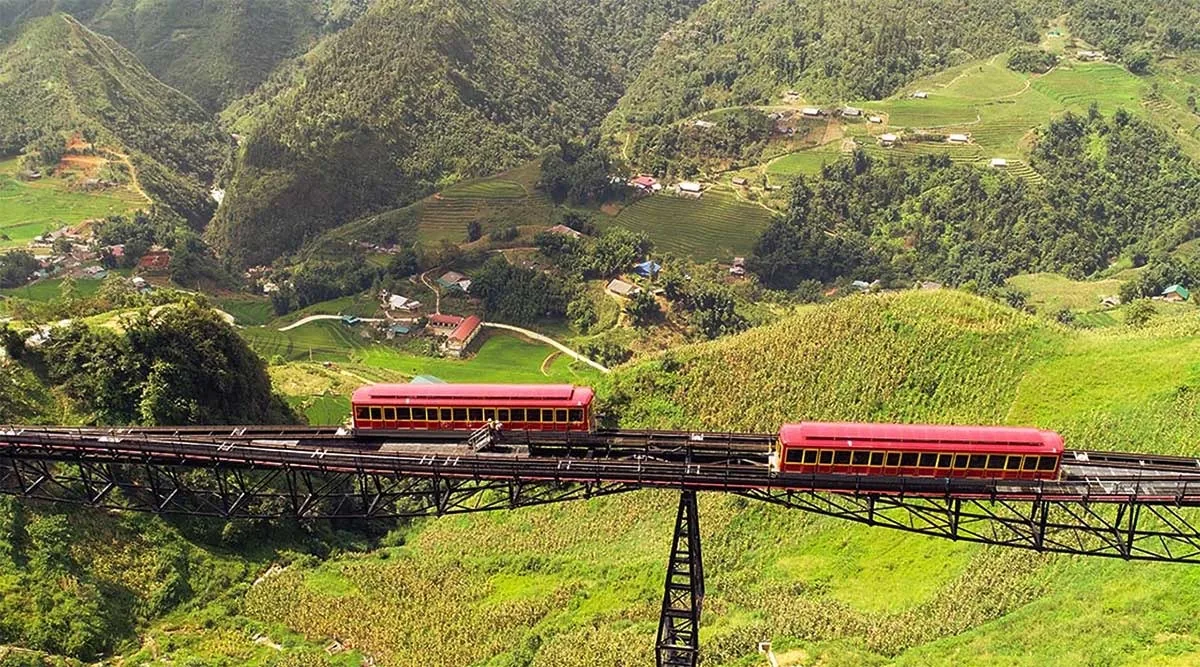
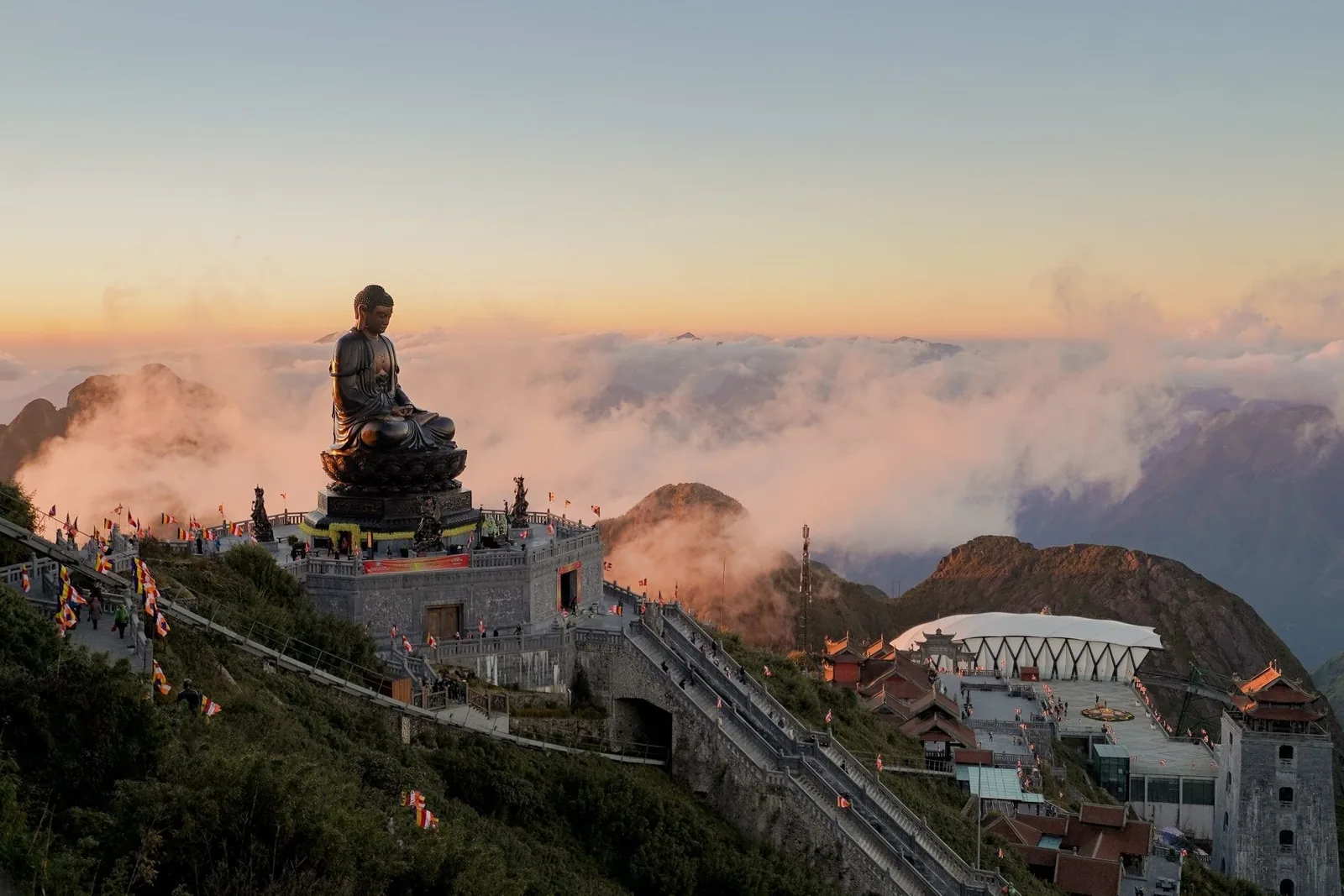
Pictures from the four routes
Questions travellers ask most
Can I combine two of these treks in one trip?
Pu Luong and Ha Giang combine well because both start in Hanoi and the terrain is different enough to be worth it. Allow eleven days including one rest day in Hanoi.
Sa Pa and Ha Giang do not combine well. They are five hours apart on bad roads, the landscapes rhyme, and by day nine most people are tired of stilt houses. We will quote it if you insist, but we will say this first.
Are the set departures guaranteed to run?
A set departure runs when four people have paid. Below four we offer you the date at the private price for your party size, or a full refund of the deposit, and you choose. We do not cancel at seven days and hold the money as credit.
Do you carry my bag?
On Ha Giang, Sa Pa and Pu Luong your main bag travels by vehicle to the next house and you walk with a daypack. On Ta Nang there is no vehicle in the middle: you carry your own sleeping bag, mat, clothes and two litres of water, about 9 to 11 kg. That is the main reason it is graded 4.
Can we start from somewhere other than Hanoi?
Ha Giang, Sa Pa and Pu Luong all start in Hanoi and there is no sensible alternative. Ta Nang starts in Da Lat and finishes near Phan Thiet, so it fits naturally after a few days on the coast rather than before them.
Read next
Tell us about the trek you have in mind
Dates, party size and the places you care about are enough to start. You get a draft route and an indicative price, not a brochure.