When to walk in Vietnam
Vietnam has no single trekking season. The north and the south are on opposite rain cycles, so the month decides the region rather than the other way round.
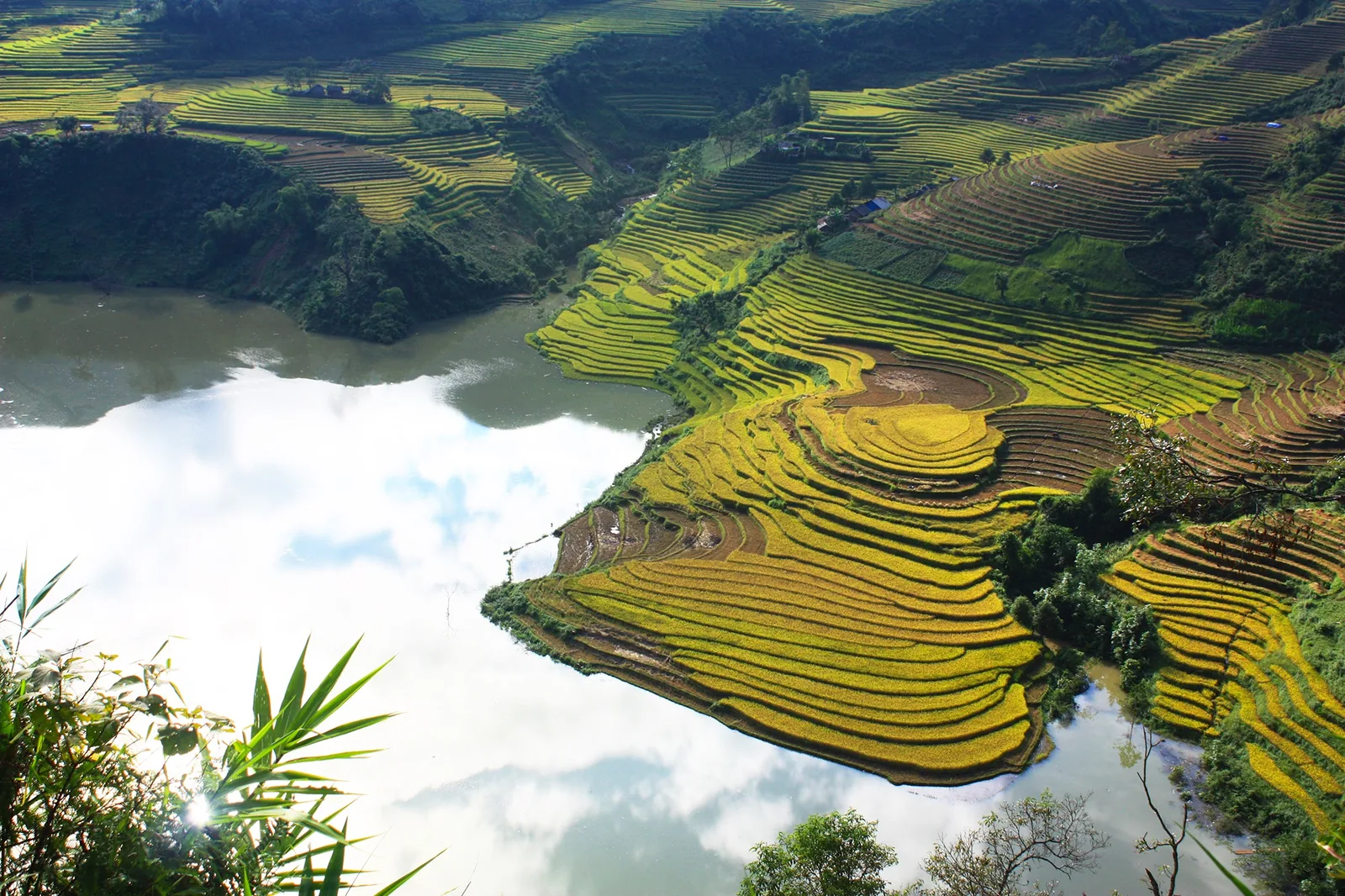
The one thing to understand first
Vietnam is 1,650 kilometres long and the weather at the two ends is not related. The northern mountains have a cool dry season from October to April and a hot wet one from May to September. The southern highlands behind the coast are the other way round in practice: the south-west monsoon soaks them from June to October, and December to March is dry, clear and cool at night.
So the useful question is not “when should I come to Vietnam” but “what can I walk in the month I have”. The table below answers that directly, and it is why we sell one southern route alongside three northern ones.
| Month | Northern mountains | Southern highlands | Where we would send you |
|---|---|---|---|
| January | Cold, 3 - 12 degrees, fog on the plateau, bare fields | Dry, cool nights, clear ridges | Ta Nang |
| February | Cold early, warming late, blossom in Ha Giang | Dry, leafless forest, excellent | Ta Nang, or late-month Pu Luong |
| March | Warm, blossom, first green, very good | Dry, hot by midday on the ridge | Anywhere; the quietest good month in the north |
| April | Warm and clear, paddies flooded, occasional storms | The end of the dry window, hot | Sa Pa or Pu Luong |
| May | Hot, green, storms building | Rain begins, we stop selling Ta Nang | Pu Luong or Ha Giang, early in the month |
| June | Wet and hot, terraces at their greenest | Wet season | Sa Pa if you accept mud, otherwise wait |
| July | The wettest weeks, landslide risk | Wet season | Nowhere we recommend |
| August | Wet, hot, roads close after heavy nights | Wet season | Nowhere we recommend |
| September | Rain ends mid-month, terraces turning gold | Still wet | The north from about the 15th, and it is superb |
| October | The best month of the year, clear and cool | Rain tailing off | Ha Giang or Sa Pa, booked six weeks out |
| November | Buckwheat in Ha Giang, sharp visibility, cold mornings | Drying out | Ha Giang or Pu Luong |
| December | Cold and often foggy in the north | Dry season opens, ideal | Ta Nang, or Pu Luong at lower altitude |
The two best windows
The northern window
Rain has stopped, the air is clear for the first time since spring, the rice is gold on the lower slopes, and nights are cool enough to sleep well. It is also when every good homestay is full and guide rates rise. Book six to eight weeks out. Ha Giang is at its best in these weeks.
The southern window
The only time we sell Ta Nang. Dry ridges, ankle-deep stream crossings instead of chest-deep ones, and nights around 12 degrees on the grass. December and January are the safest; by late March the ridge is hot by nine in the morning and water becomes the limiting factor.
March is the one month that works nearly everywhere. If your dates are genuinely open and you want the fewest people, come in March rather than October: the north is eighty per cent as good and a fraction as busy.
What each month actually feels like on the trail
The cold months, December to February
In the north this is 3 to 12 degrees on the plateau, less with wind, and fog that can sit for three days. The walking is fine. The problem is the evenings: village houses are not heated beyond the kitchen fire, and a stilt house at 6 degrees at four in the morning is a memorable experience in the wrong way. Bring a proper jacket, a hat and a sleeping bag liner. In the south these are the best weeks of the year.
The shoulder months, March to May
The most underrated window in the north. Plum and pear blossom in March in Ha Giang, flooded terraces reflecting the sky in April, deep green by May. Afternoon thunderstorms start in late April and are usually short. Guide availability is good and prices are the same as October, which they should not be.
The wet months, June to mid-September
We run the northern routes through the summer and we are honest about what you get. The terraces are at their most spectacular in late June. So is the mud, and the leeches on the forest sections, and the risk that a landslide closes a road for a day. July and August also carry the tail of tropical storms crossing the Gulf of Tonkin, which can pin a group in a village for twenty-four hours. If you can move your trip, move it.
The clear months, mid-September to November
The rain stops within a week or two of mid-September and the air changes completely. Visibility goes from four kilometres to forty. Rice is harvested from about the twentieth of September in the northern valleys, buckwheat flowers on the Ha Giang plateau from the third week of October, and by late November the fields are cut and the light is low and sharp. These are the weeks people photograph and the weeks everything is full.
Booking against the season
| If you want | Book by | Because |
|---|---|---|
| Late September or October in the north | Six to eight weeks ahead | The good homestays are gone first, and there is no substitute in the same village |
| A Ha Giang market weekend | Six weeks ahead | Sunday markets fix the whole itinerary around one date |
| Ta Nang in December or January | Four weeks ahead | We run limited departures and need four walkers to confirm |
| March, April or November anywhere | Two to three weeks ahead | Availability is comfortable and the walking is nearly as good |
| Anything in July or August | One week is fine | Nobody else wants those dates, and you should think about why |
Tell us your window and we will tell you the truth
Including if the answer is that your month is wrong for the route you want.
Questions travellers ask most
Is there a month when everything works?
March comes closest. The north is warm and clear, the south is still dry enough for Ta Nang in the first half of the month, and nothing is fully booked. The trade is that the northern terraces are bare earth and water rather than green or gold.
How bad is walking in the rain, really?
On the northern routes it is uncomfortable rather than dangerous, because the paths drain onto rock and there is always a house within a few hours. The exception is the Ha Giang ridge day, where a wet descent turns to clay, and we move it or replace it rather than walk it.
On Ta Nang it is a different question and the answer is that we do not run it. The stream crossings drain a large catchment and rise faster than you can walk.
When do the rice terraces turn gold?
In the Sa Pa and Pu Luong valleys, from about the twentieth of September to the first week of October, and it moves by a week or two with the year. Pu Luong has a second, smaller harvest in late May and June. Ha Giang mostly grows maize and buckwheat rather than rice, so it is not the place to plan a gold-terrace trip.
Does the Lunar New Year affect trekking?
Yes, for about ten days in late January or February. Villages shut down, families are at home rather than working, transport is fully booked and prices rise. It is a fascinating time to be in a village if you are invited into one, and a difficult time to run a trek. We take very few departures across it.
Read next
Tell us about the trek you have in mind
Dates, party size and the places you care about are enough to start. You get a draft route and an indicative price, not a brochure.